
Table of Contents
What Are the 3 Kinds of People?
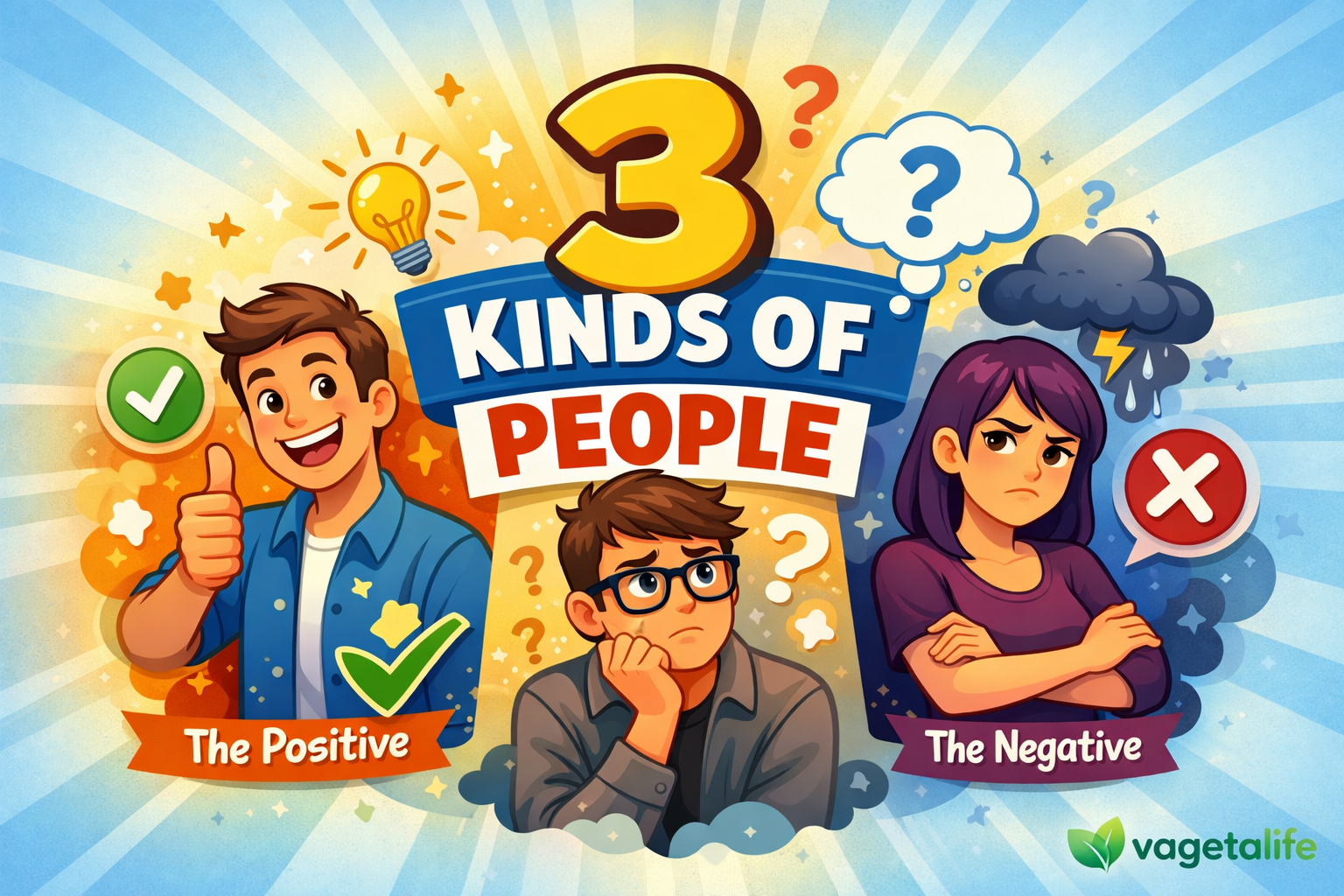
Human beings are wonderfully complex, yet for centuries, thinkers, philosophers, and writers have tried to make sense of us by grouping people into simple categories. One of the most popular ways is the idea of 3 kinds of people, which helps us understand behavior, mindset, and personality in a more digestible way. This concept isn’t about putting people in boxes or limiting them; it’s about observing patterns that make social interactions, personal growth, and leadership easier to navigate. The “rule of three” is powerful because it is simple to remember and often resonates with human psychology. For example, when someone says, “There are three kinds of people in this world,” it immediately creates curiosity and clarity, allowing people to reflect on which group they belong to or how they relate to others. Philosophically, this idea can be traced back to ancient thinkers like Aristotle, who classified people according to virtues and actions, and it has evolved over time into modern frameworks used in psychology, business, and social dynamics. Understanding these three kinds of people gives us a lens to view society: the proactive doers, the observant followers, and those who are unaware or disengaged, each playing a different but important role in life.
The Classic 3 Kinds of People Based on Behavior
In the world of human behavior, one of the most recognized frameworks for understanding personality and action divides people into three classic types: those who make things happen, those who watch things happen, and those who don’t know what’s happening. People who make things happen are the proactive individuals who take initiative, set goals, and push projects forward without waiting for permission. They are often seen as leaders, innovators, and problem-solvers who inspire others through their actions and results. These people thrive on challenges and view obstacles as opportunities to grow, learn, and create meaningful impact. In workplaces, they are the ones volunteering for new projects, driving change, and motivating teams, while in personal life, they actively work on self-improvement and relationships. Their energy and determination often create ripple effects that influence the people around them, encouraging others to move out of their comfort zones and strive for better outcomes.
On the other hand, people who watch things happen are more observant and reflective. They may not take the lead, but they play an important role in supporting, learning, and understanding how things unfold. These individuals are often cautious decision-makers who prefer to see the results of actions before committing themselves, and they contribute by offering advice, feedback, or thoughtful insight when needed. They tend to balance the world of doers by providing perspective and keeping impulsive behavior in check. The third type, those who don’t know what’s happening, are often disengaged, unaware, or indifferent to the surrounding events. This may not always indicate laziness; sometimes it reflects a lack of exposure, guidance, or motivation. Recognizing these patterns allows us to interact with people more effectively, manage expectations, and even help individuals grow from inaction to awareness. Understanding these classic three kinds of people provides valuable insight into human behavior, showing that while everyone has different roles, each type contributes uniquely to the flow of life and society.
Mindset-Based Types: Past, Present, and Future Focused
Another way to understand the 3 kinds of people is through the lens of mindset and how individuals focus their energy in life, whether on the past, the present, or the future. People who are past-focused tend to reflect deeply on previous experiences, memories, and lessons learned. They often draw strength from tradition, history, and past successes, but they can also become trapped by regret, missed opportunities, or negative experiences. This group values experience and continuity, and their decisions are usually informed by what has worked before. While they may sometimes struggle to adapt to sudden changes, they offer wisdom, context, and guidance to those around them, reminding others of the importance of history and the lessons it teaches. Their perspective is invaluable in planning and in avoiding repeated mistakes, making them key contributors in situations where foresight and caution are essential.
In contrast, people who live in the present are fully engaged in the current moment, experiencing life as it unfolds without being overly influenced by what has happened before or what may come next. These individuals are often energetic, spontaneous, and deeply connected to their surroundings. They are highly adaptable and creative because they respond to challenges in real time, and they can bring a sense of immediacy and passion to relationships and projects. People focused on the future, however, channel their energy into planning, goal-setting, and envisioning possibilities. They think strategically and are often motivated by long-term success, whether in their careers, personal growth, or societal impact. Future-focused individuals can inspire others with their vision, set ambitious targets, and work consistently toward achieving them. Understanding these mindset-based types helps us appreciate that while behavior plays a role in categorizing people, the way they think about time and priorities profoundly shapes their choices, relationships, and influence in the world, and recognizing these tendencies can lead to better self-awareness and interaction with others.
Relationship-Based 3 Kinds of People
When we look at the 3 kinds of people through the lens of relationships and social interactions, the categories reveal how trust, communication, and connection shape our lives. Some people are poor listeners or fail to engage meaningfully in relationships, often appearing distracted, self-centered, or dismissive of others’ perspectives. They may struggle to maintain deep connections because they do not invest the time or effort needed to understand those around them. This type can unintentionally create friction in both personal and professional relationships because their lack of attention or empathy prevents genuine understanding and collaboration. Despite their shortcomings, they can sometimes be motivated to improve if they become aware of their behavior and its impact, highlighting the importance of self-awareness in social dynamics.
The second type consists of people who are attentive but overly communicative, often sharing sensitive information or gossiping rather than protecting the trust of others. While they are engaged and interested, their tendency to overshare or reveal what should remain private can undermine relationships and create tension. These individuals often mean well, but their inability to filter information can damage confidence and trust, making it difficult for others to rely on them fully. In contrast, the third and most valuable type of people are those who listen deeply, empathize, and keep confidences, earning respect and trust over time. Trusted listeners foster strong connections, provide support when needed, and contribute positively to both professional networks and personal bonds. Understanding these relationship-based types emphasizes that people’s social behaviors significantly influence their personal growth, happiness, and the overall harmony of their communities, and recognizing these patterns can help us nurture stronger, more meaningful connections in life.
Psychological Types: Wise, Foolish, and Harmful
Another way to explore the 3 kinds of people is by examining their psychological traits and the influence they have on themselves and others. Wise people are thoughtful, reflective, and open to learning, and they often make decisions based on careful consideration rather than impulsive emotion. They understand their strengths and weaknesses, seek knowledge from experience and observation, and strive to grow continuously. In social and professional settings, wise individuals inspire trust and respect because their actions are consistent, fair, and grounded in principle. Their ability to manage emotions, anticipate consequences, and empathize with others allows them to build meaningful relationships and make positive impacts in their communities. Wisdom is not merely intelligence; it is the thoughtful application of knowledge, experience, and understanding in a way that benefits both the individual and those around them, creating a ripple effect of guidance and stability.
Foolish people, on the other hand, act without consideration, often driven by short-term desires, emotions, or misconceptions. They may resist advice, fail to learn from mistakes, or make choices that create unnecessary problems for themselves and others. While not inherently harmful, their lack of foresight or judgment can lead to repeated difficulties and frustrations in life, and they may require guidance or intervention to change their patterns. The third type, harmful people, intentionally or unintentionally cause damage through negative behaviors such as manipulation, deceit, or cruelty. These individuals can disrupt social harmony, trust, and progress, and their presence often serves as a test for patience, resilience, and discernment for those around them. Understanding these psychological types allows us to navigate life more wisely, recognize the traits in ourselves and others, and make informed choices about relationships, partnerships, and personal growth, while also appreciating the diverse ways human minds operate and influence the world.
Why Understanding These 3 Types Helps in Life
Understanding the 3 kinds of people provides a powerful framework for improving our personal and professional lives because it allows us to recognize patterns of behavior, mindset, and social interaction. When we identify which type of person we are dealing with, we can adjust our approach to communicate more effectively, build stronger relationships, and avoid unnecessary conflicts. For instance, knowing that someone is proactive and action-oriented enables us to collaborate with them on ambitious projects, while recognizing someone who is more observational helps us provide the support and guidance they need to thrive. On a personal level, understanding these types encourages self-reflection, allowing us to see where we might fall short and what areas we need to improve, whether it’s becoming more engaged, learning to plan for the future, or cultivating deeper empathy for others. This knowledge also promotes patience and tolerance, helping us accept that people operate differently and that each type contributes uniquely to the social fabric of our lives.
In addition, this framework helps us make better decisions in leadership, teamwork, and daily interactions. Leaders who understand the 3 kinds of people can delegate tasks appropriately, motivate teams effectively, and create environments where every individual’s strengths are utilized. In friendships and family relationships, it fosters understanding and reduces frustration by helping us appreciate why someone might act differently from ourselves. Beyond interpersonal benefits, it also guides personal growth by challenging us to move toward the positive traits of each type, such as taking initiative, being fully present, or becoming more thoughtful and reflective. By learning to identify, understand, and interact with these three types, we gain a deeper awareness of human nature and our place in the world, ultimately creating a more balanced, harmonious, and productive life.
Are There Only 3 Kinds of People?
While the concept of 3 kinds of people is simple and easy to remember, it is important to recognize that human behavior and personality are far more complex than any threefold classification can fully capture. People cannot always be neatly categorized because everyone exhibits traits from multiple types depending on the situation, their environment, and their stage of personal growth. For example, someone who is usually action-oriented may act passively in a relationship, or a future-focused individual may occasionally dwell on past regrets. Psychologists and researchers have long emphasized that personality exists on a spectrum, with countless combinations of traits, motivations, and behaviors. Tools such as the Myers-Briggs Type Indicator, the Big Five personality traits, or emotional intelligence assessments illustrate that human beings are multidimensional, making any rigid classification merely a helpful guide rather than an absolute rule. The value of the “3 kinds of people” framework lies in its simplicity, providing a starting point to understand human behavior without overwhelming complexity.
Nevertheless, acknowledging the limitations of this framework encourages us to approach people with nuance, empathy, and an open mind. It reminds us that these categories are descriptive, not prescriptive, and that individuals can grow, change, and evolve over time. Someone who is disengaged today can become proactive tomorrow, and someone overly focused on the past can cultivate a future-oriented mindset with intention and effort. Understanding that humans are dynamic allows us to apply the lessons of the 3 kinds of people without judgment, using the framework as a tool to foster better communication, collaboration, and self-awareness. By embracing both the simplicity and the nuance of this concept, we can navigate relationships more effectively, create environments that encourage growth, and appreciate the incredible diversity of human experience.
How to Identify Which Type You Are
Understanding which of the 3 kinds of people you are can be a transformative step in personal growth and self-awareness, allowing you to make more informed decisions about your goals, relationships, and career. Self-reflection is the most powerful tool for this process, and it begins by observing your habits, reactions, and thought patterns in daily life. For example, consider how you respond to challenges: do you take immediate action to solve problems, wait and watch how things unfold, or often feel disconnected and unsure of what to do? Another key indicator is how you interact with others: are you the person people turn to for leadership, insight, or support, or do you find yourself mostly observing or depending on others’ guidance? Journaling your experiences, noting your reactions, and reflecting on your successes and setbacks can provide deep insight into which category aligns most closely with your behavior and mindset, while also revealing areas for growth and change. Case studies of individuals who have consciously shifted their behavior, such as employees who moved from passive observers to proactive leaders, demonstrate that identifying your type is not about labeling yourself permanently but about recognizing tendencies and working intentionally to improve.
Beyond observation, feedback from others can be invaluable in identifying your type because our self-perception is often limited or biased. Close friends, family members, mentors, or colleagues can provide honest perspectives on how they see your behavior, decision-making style, and approach to challenges, highlighting patterns you may not notice yourself. Additionally, taking personality assessments or reflection exercises can provide structured insights into your dominant traits and tendencies, helping you understand where you fall within the behavioral, mindset, or psychological frameworks of the 3 kinds of people. Once you identify your type, you can use this knowledge to set personal goals, enhance your strengths, and address areas that limit your growth. For example, a person who primarily observes may focus on developing initiative and confidence, while someone overly future-focused might work on being more present and mindful. Ultimately, knowing which type you are empowers you to interact more effectively with others, make strategic life choices, and cultivate a balanced approach to personal and professional development, ensuring that you harness your strengths while addressing your weaknesses for a more fulfilling life.
Conclusion: The Power of Understanding People
The concept of the 3 kinds of people offers a simple yet profound framework for understanding human behavior, mindset, and relationships, reminding us that while everyone is unique, certain patterns and tendencies can be observed and learned from. By recognizing the characteristics of proactive doers, reflective observers, and disengaged individuals, or by considering mindset-based types and psychological traits, we gain insight into how people think, act, and interact with the world around them. This understanding allows us to navigate social situations with greater empathy, patience, and effectiveness, whether in personal relationships, professional environments, or community interactions. It encourages self-reflection, helping us identify our own tendencies and consider ways to grow, adapt, and improve, while also appreciating the diversity of behaviors and mindsets that make human society dynamic and resilient. The power of this framework lies not in categorizing or limiting people, but in providing a lens through which we can better understand human motivations, anticipate reactions, and foster collaboration and harmony.
Moreover, understanding these three types of people is not just a tool for interpersonal awareness; it is a pathway to personal growth and transformation. Recognizing where we fall among these types enables us to embrace our strengths and address our limitations, ultimately empowering us to make intentional choices that shape our character, relationships, and life outcomes. It also fosters a sense of empathy and tolerance for others, acknowledging that everyone has different perspectives, experiences, and capacities that influence their behavior. By applying the lessons from the 3 kinds of people thoughtfully, we can cultivate better communication, stronger connections, and more meaningful contributions to our communities. In a world that is often complex and unpredictable, this understanding equips us with clarity and insight, enabling us to act with wisdom, build trust, and live more consciously, making the simple framework of three kinds of people a surprisingly powerful guide for navigating life.