
Table of Contents
What Is 16 16 16 Fertilizer & Why It Matters
When we talk about 16 16 16 fertilizer how to use, the first step is understanding what it really is. This type of fertilizer is called a balanced NPK fertilizer, which means it contains three essential nutrients in equal amounts: 16% Nitrogen (N), 16% Phosphorus (P), and 16% Potassium (K). Nitrogen is crucial for promoting strong leaf and stem growth, phosphorus supports root development and flowering, and potassium helps plants resist disease, improve fruit quality, and survive stressful conditions like drought or heat. Because all three nutrients are equally balanced, 16 16 16 fertilizer is highly versatile and suitable for a wide variety of plants, from lawns and vegetable gardens to flowers and shrubs.
Understanding why this fertilizer is important comes down to the basics of plant nutrition. Many plants fail to thrive because they lack one or more key nutrients in their soil. A fertilizer like 16 16 16 ensures that plants receive balanced nutrition, promoting uniform growth without causing an excess of any single nutrient. Unlike specialized fertilizers that focus heavily on one nutrient (like high nitrogen fertilizers for lawns), this balanced blend supports the overall health and vitality of plants. Gardeners often use this fertilizer for general soil enrichment, to rejuvenate tired soil, or as a starter fertilizer for new plantings. The balanced ratio makes it an excellent choice for beginners and experienced gardeners alike, ensuring that plants get a solid foundation for growth.
Benefits of Using 16 16 16 Fertilizer
Using 16 16 16 fertilizer how to use correctly can transform your garden and help plants thrive in ways that are both visible and long-lasting. One of the main benefits of this fertilizer is its balanced nutrient content, which ensures that plants receive the right amounts of nitrogen, phosphorus, and potassium at the same time. Nitrogen stimulates lush, green foliage and strong stems, making your plants look healthy and vibrant. Phosphorus contributes to the development of strong root systems, which is essential for plants to absorb water and nutrients efficiently. Potassium plays a crucial role in strengthening plants against stressors like drought, heat, and disease, while also improving flower blooms and fruit quality. Because all three nutrients are present in equal amounts, 16 16 16 fertilizer supports comprehensive plant growth without favoring one area over another, making it ideal for lawns, vegetable gardens, ornamental plants, and even fruit-bearing trees. Gardeners often notice that when soil is treated with this fertilizer, plants establish themselves faster, grow uniformly, and maintain vibrant colors throughout the season.
Another significant benefit of 16 16 16 fertilizer how to use is its versatility and convenience for both beginner and experienced gardeners. Unlike fertilizers designed for a specific stage of plant growth, the balanced ratio makes this fertilizer suitable for multiple purposes, whether preparing the soil before planting, feeding established plants, or revitalizing tired soil. This means that a single application can address a variety of nutrient deficiencies at once, reducing the need for multiple specialized fertilizers. Many studies and gardening experiences show that consistent use of balanced fertilizers improves soil fertility over time by maintaining nutrient levels without causing harmful accumulation of a single element. Furthermore, plants grown with 16 16 16 fertilizer tend to be more resilient, producing higher yields in vegetables, healthier flowers, and stronger roots for shrubs and trees. Its ease of use, effectiveness across different soil types, and ability to provide well-rounded nutrition make it a reliable choice for gardeners who want visible results without complicated feeding schedules. With these advantages, 16 16 16 fertilizer becomes not just a plant booster, but a foundation for sustainable and thriving gardening practices.
When & Why to Use 16 16 16 Fertilizer
Knowing 16 16 16 fertilizer how to use properly also means understanding the right timing and reasons for its application, as this can significantly impact plant growth and overall garden health. The best time to use this fertilizer is generally during the early stages of plant growth or at the start of the growing season, when plants are actively developing roots, stems, and leaves. Applying it at this stage ensures that young plants receive a balanced supply of nutrients to support uniform growth and strong root establishment. Additionally, 16 16 16 fertilizer is ideal for revitalizing existing plants and lawns that may be nutrient-depleted after winter or long periods of growth. Using it at the right time helps plants recover from stress, maintain vigorous growth, and achieve their full potential. Many gardeners have found that applying this fertilizer just before planting vegetables or flowers gives seedlings a solid start, while using it on established plants at strategic intervals helps maintain consistent foliage color, robust flowers, and healthy fruit production. Timing the application correctly also reduces the risk of nutrient loss due to leaching, runoff, or seasonal changes, making the fertilizer more effective and efficient.
The reasons for using 16 16 16 fertilizer how to use go beyond simple plant growth; it is about maintaining overall garden health and soil fertility. This balanced fertilizer is not just a quick boost but a comprehensive approach to feeding plants evenly, ensuring that no single nutrient is lacking or in excess. Phosphorus in the fertilizer encourages strong root systems that can better absorb water and nutrients, while nitrogen promotes vigorous leaf development for photosynthesis, which is essential for energy production in plants. Potassium strengthens the plant’s natural defenses against diseases and environmental stress, which is especially important for gardens in areas prone to drought, high temperatures, or fluctuating weather conditions. By using this fertilizer thoughtfully, gardeners create a foundation for resilient, long-lasting plant health, improving both the appearance and productivity of their gardens. Many experts recommend pairing the application with soil testing to determine the precise nutrient needs of your soil, ensuring that each application delivers maximum benefit while preventing over-fertilization, which can damage plants and disrupt soil balance. The combination of proper timing and understanding the “why” behind using 16 16 16 fertilizer makes it a powerful tool for anyone looking to grow healthy, thriving plants.
How to Apply 16 16 16 Fertilizer Effectively
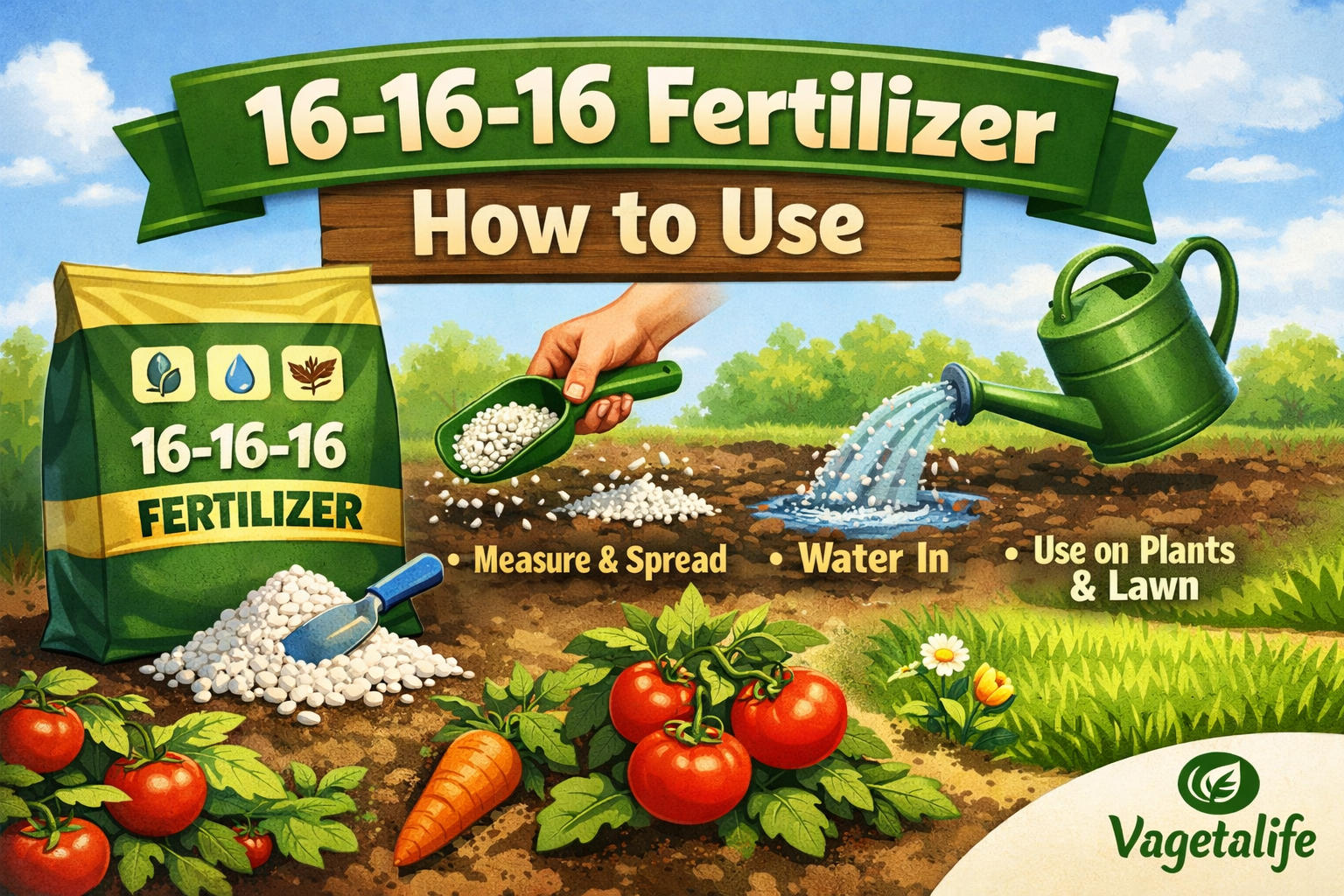
Applying 16 16 16 fertilizer how to use effectively requires understanding both the method and the conditions under which the fertilizer will provide the best results. Before applying, it is important to prepare the soil properly by clearing debris, loosening compacted soil, and, if possible, testing the soil to check its current nutrient levels. This preparation ensures that the fertilizer nutrients can penetrate evenly and be absorbed efficiently by plant roots. For granular forms, gardeners often spread the fertilizer evenly across the soil surface, making sure to avoid piling it around the base of plants where concentrated nutrients can cause burning. Watering immediately after application is highly recommended, as it helps dissolve the fertilizer and allows the nutrients to reach the root zone faster. In cases where the fertilizer is water-soluble, mixing it with water and applying it directly to the soil or as a foliar feed can give quicker results, especially for young plants or those showing signs of nutrient deficiency. Applying at the right rate, rather than overusing, is essential to prevent damage, as too much fertilizer can harm roots and leaves, reduce plant health, and even contaminate nearby water sources.
The effectiveness of 16 16 16 fertilizer how to use is also influenced by understanding the timing and frequency of applications. While this balanced fertilizer is versatile, it should be applied during active growth periods when plants are most capable of utilizing the nutrients. For example, early spring and the onset of the growing season are ideal for vegetable gardens and flowering plants, while regular maintenance feedings throughout the season can keep established lawns and shrubs healthy and vibrant. Over time, consistent, well-timed applications improve soil fertility, promote stronger root systems, and enhance resistance to pests and diseases. Many experienced gardeners have observed that plants fed with 16 16 16 fertilizer develop more uniform growth, with thicker foliage, healthier flowers, and higher yields in fruit-bearing plants. By combining proper soil preparation, careful application techniques, and mindful timing, gardeners can maximize the benefits of 16 16 16 fertilizer and ensure that their plants receive the balanced nutrition they need to thrive throughout the season.
How Much 16 16 16 Fertilizer Should You Use
Determining the correct amount of 16 16 16 fertilizer how to use is crucial to achieving healthy plant growth while avoiding the risks of over-fertilization. The amount needed depends on several factors, including soil fertility, plant type, and the size of the planting area. Generally, a common guideline for lawns and vegetable gardens is to apply approximately 1.5 to 2 pounds per 100 square feet, but this can vary depending on soil nutrient levels identified through testing. For individual plants such as shrubs or trees, gardeners often calculate fertilizer based on the plant’s age, root spread, or trunk diameter, ensuring that each plant receives the appropriate amount without wasting nutrients. It is important to understand that more is not always better; excessive fertilizer can lead to leaf burn, root damage, or nutrient imbalances that make plants more susceptible to disease. Soil testing is highly recommended because it allows gardeners to tailor the fertilizer application to the specific needs of their soil, ensuring that plants receive optimal nutrition for sustained growth.
Equally important is knowing the frequency of application to maintain plant health without causing harm. For most garden plants, applying 16 16 16 fertilizer at the beginning of the growing season and then following up every six to eight weeks provides a steady supply of essential nutrients. Some fast-growing vegetables or flowering plants may benefit from slightly more frequent applications, while slower-growing shrubs or established lawns may only require one or two feedings during the season. Observing plants for signs of nutrient deficiency, such as pale leaves, stunted growth, or poor flowering, can help determine whether additional applications are necessary. By carefully measuring the amount and timing the applications correctly, gardeners can maximize the benefits of 16 16 16 fertilizer how to use, promoting vigorous growth, stronger roots, healthier foliage, and abundant flowers and fruits without risking damage to plants or the soil ecosystem.
Using 16 16 16 Fertilizer for Different Plants
Using 16 16 16 fertilizer how to use effectively for different types of plants requires understanding the specific needs of each plant and how balanced nutrition can support their growth. For lawns, this fertilizer encourages a thick, green carpet of grass by providing nitrogen for leafy growth, phosphorus for root development, and potassium to strengthen the grass against stress and disease. Vegetable gardens also benefit greatly from 16 16 16 fertilizer, as it supplies the essential nutrients required for strong roots, healthy leaves, and abundant fruit production. Applying it at the right time, such as just before planting or during early growth stages, ensures seedlings establish themselves quickly and grow evenly. Trees and shrubs, on the other hand, benefit from applications around the root zone, allowing the nutrients to penetrate deeply into the soil where roots can absorb them efficiently. Using this fertilizer in moderation supports steady growth without overwhelming the plants, helping them resist disease and environmental stress while producing vibrant foliage and blossoms.
Flowers and ornamental plants respond particularly well to the balanced nutrition provided by 16 16 16 fertilizer how to use, as it promotes healthy leaf development and encourages robust flowering. For spring-blooming flowers, applying the fertilizer early in the season gives plants the energy they need to produce strong stems and colorful blooms, while maintaining regular feeding during the growing season ensures continuous vitality and prevents nutrient deficiencies. Even houseplants can benefit when used carefully at a diluted rate, providing essential nutrients without risking root burn. Across all plant types, the key is to match the application with the plant’s growth stage, soil fertility, and seasonal conditions, creating an environment where each plant receives just the right amount of nitrogen, phosphorus, and potassium. Experienced gardeners often find that applying 16 16 16 fertilizer thoughtfully results in healthier plants that are more resilient, grow uniformly, and offer higher yields in vegetables or flowers, making it a reliable choice for maintaining a thriving garden year-round.
Types of 16 16 16 Fertilizer & How to Choose One
Understanding 16 16 16 fertilizer how to use also means knowing the different types available and choosing the one that best fits your plants and gardening style. The most common form is granular fertilizer, which is easy to spread over soil and provides a slow, steady release of nutrients as it breaks down. Granular fertilizers are particularly suitable for lawns, vegetable beds, trees, and shrubs, as they allow nutrients to penetrate the soil gradually, feeding plants over time. On the other hand, water-soluble 16 16 16 fertilizers dissolve quickly and provide nutrients directly to the roots, making them ideal for young seedlings, potted plants, or situations where rapid correction of nutrient deficiencies is needed. Some fertilizers are designed as slow-release formulations, which can feed plants for weeks or even months without repeated applications, while others are immediate-release types that act quickly but may require more frequent application. Choosing the right type depends on factors such as plant type, soil condition, desired growth rate, and convenience, ensuring that plants get balanced nutrition without the risk of over-fertilization or nutrient waste.
Selecting the proper 16 16 16 fertilizer how to use goes beyond the choice of form and also includes understanding the plant’s growth stage and environmental conditions. For example, slow-release fertilizers are excellent for established gardens where you want long-term feeding without frequent attention, while water-soluble fertilizers are perfect for giving a quick nutrient boost to plants showing signs of deficiency. It is also important to consider the method of application; some fertilizers can be applied directly to the soil, while others can be used as a foliar spray to provide nutrients directly through the leaves. Experienced gardeners recommend always reading the label, checking the NPK content, and choosing a fertilizer that matches your plant’s specific needs, soil health, and growth goals. By understanding the types available and making an informed choice, gardeners can ensure that their use of 16 16 16 fertilizer supports balanced growth, maximizes plant health, and results in strong roots, vibrant leaves, abundant flowers, and higher yields across all types of plants in their garden.
Common Mistakes & How to Avoid Them
Even with a versatile and effective fertilizer like 16 16 16 fertilizer how to use, many gardeners make mistakes that can reduce plant growth or even damage their soil. One of the most common errors is over-fertilizing, which occurs when too much fertilizer is applied at once or applied too frequently. Excess nitrogen can burn plant leaves, stunt root growth, and make plants more vulnerable to pests and diseases, while too much phosphorus or potassium can disrupt the natural nutrient balance in the soil. Another frequent mistake is poor timing, such as applying fertilizer during dormant periods or extreme weather conditions, when plants are not actively growing and cannot utilize the nutrients. Some gardeners also neglect soil preparation and testing, applying fertilizer to compacted or nutrient-rich soil without knowing the actual needs of their plants. These mistakes often result in wasted fertilizer, poor plant growth, and even environmental issues like nutrient runoff into nearby water sources. Learning to avoid these errors is essential for achieving the best results from your 16 16 16 fertilizer applications.
Avoiding mistakes with 16 16 16 fertilizer how to use involves careful planning, observation, and moderation. Soil testing before application allows gardeners to understand the existing nutrient levels and determine the correct amount of fertilizer needed, ensuring that plants receive balanced nutrition without risking harm. Applying fertilizer at the right stage of plant growth, such as early in the growing season for vegetables or before blooming for flowers, maximizes nutrient uptake and supports healthy development. It is also important to follow the manufacturer’s instructions carefully, spreading fertilizer evenly and watering appropriately to help nutrients reach the roots. Experienced gardeners recommend observing plants closely for signs of deficiency or overfeeding, adjusting application amounts and frequency as needed. By understanding these common pitfalls and taking steps to avoid them, gardeners can use 16 16 16 fertilizer effectively, promoting strong roots, healthy leaves, vibrant flowers, and abundant fruits, while maintaining long-term soil fertility and creating a thriving, resilient garden.