
Table of Contents
What Is a 14 x 40 Mobile Home?
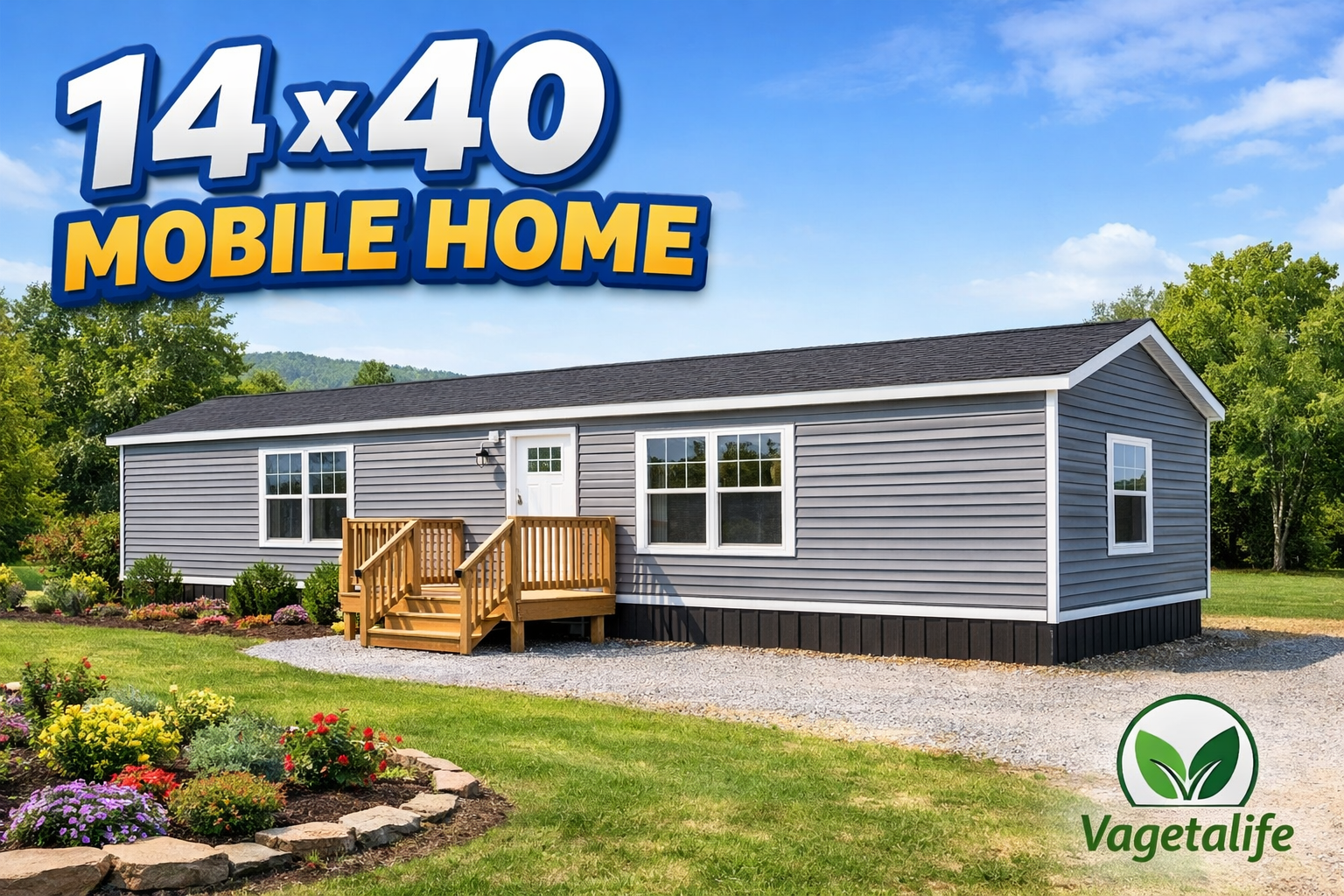
A 14 x 40 mobile home is a type of single-wide home designed to provide compact, affordable, and efficient living space. The numbers “14 x 40” refer to the home’s dimensions, meaning it is 14 feet wide and 40 feet long, which gives approximately 560 square feet of living space. These homes are part of the single-wide mobile home category, which is smaller than double-wide homes and easier to transport and set up.
Unlike traditional houses, a 14 x 40 mobile home is built in a factory and then delivered to a site, either on a trailer or with a permanent foundation. This makes it more affordable and faster to install compared to traditional homes. Many people choose these homes for first-time homeownership, vacation properties, or retirement living, as they offer all the basic amenities in a smaller, manageable footprint.
Standard Features of a 14 x 40 Mobile Home
A 14 x 40 mobile home comes equipped with a variety of standard features that make it a practical and comfortable living space despite its compact size. Structurally, these homes are built on a sturdy steel frame with durable sidewalls, insulated floors, and roofs designed to withstand various weather conditions. The interior typically features a living room that connects seamlessly to a small but functional kitchen, which includes essential appliances such as a stove, refrigerator, and sometimes a dishwasher. Depending on the floor plan, the home usually contains one or two bedrooms and a full bathroom, providing enough space for a small family, couple, or individual. Many models also include closets and storage areas designed to maximize limited space, making the home feel more spacious and organized. Windows are strategically placed to allow natural light in and improve airflow, and some homes may offer optional skylights or built-in shelving to enhance usability and comfort.
On the exterior, 14 x 40 mobile homes often feature vinyl siding that is low maintenance and resistant to weather damage, along with durable roofing materials such as metal or shingles. Doors, windows, and utility hookups are positioned to comply with safety and convenience standards, making the home both practical and efficient. Electrical systems are pre-installed to support basic appliances and lighting, while plumbing is designed for standard water and sewage connections. Many homes also come with heating systems, which can include electric, gas, or propane options depending on the manufacturer, as well as ventilation systems to maintain comfortable indoor air quality. Some models allow upgrades such as additional insulation, better flooring, or energy-efficient windows, enabling homeowners to customize the home according to their climate and lifestyle needs. Overall, the standard features of a 14 x 40 mobile home strike a balance between affordability, comfort, and functionality, making it an appealing choice for those seeking a manageable yet fully livable space.
14 x 40 Mobile Home Floor Plans & Layout Ideas
The floor plans of a 14 x 40 mobile home are designed to maximize every inch of space, making these homes feel larger than their compact dimensions suggest. Typically, these homes feature an open living area that connects to the kitchen and dining space, creating a central hub for daily activities. Bedrooms are usually located at one or both ends of the home, offering privacy while maintaining accessibility to the bathroom. The layouts are flexible enough to accommodate different family sizes, with some homes featuring two smaller bedrooms for children or guests, while others offer a single spacious master bedroom for couples or retirees. The kitchen, though compact, is often designed with efficiency in mind, including sufficient counter space and storage cabinets, sometimes with optional pantry areas. Many homeowners choose layouts that allow for multifunctional spaces, such as converting part of the living room into a home office or adding built-in shelving to increase storage without sacrificing open floor space. Designers often focus on creating a sense of flow within the home, so that even in a smaller footprint, the interior feels connected, comfortable, and easy to navigate.
There are also creative layout ideas that can make a 14 x 40 mobile home more personalized and functional. For instance, some layouts include a small laundry area tucked near the kitchen or bathroom, while others provide space for a compact seating nook or breakfast bar to enhance daily living. Sliding doors or pocket doors are sometimes used to save space compared to traditional swing doors, and clever furniture arrangements, such as foldable tables or built-in benches with storage, can maximize usability. Exterior modifications, like adding a small porch or deck, can expand living space outdoors, providing areas for relaxation and entertaining. Some homeowners even consider converting these homes into tiny home-style residences or rental units, adding lofted areas or multi-purpose rooms to make the home versatile for different needs. With thoughtful planning and attention to both functionality and aesthetics, the floor plans of a 14 x 40 mobile home can be highly adaptable, comfortable, and stylish, offering homeowners the benefits of modern living without the higher costs associated with larger homes.
Pros & Cons of Choosing a 14 x 40 Mobile Home
Choosing a 14 x 40 mobile home comes with several advantages that make it an appealing option for many people, especially those looking for affordability, flexibility, and efficiency in their living space. One of the most significant benefits is the lower cost compared to larger homes or traditional site-built houses. Because these homes are smaller and manufactured in factories, they require less material and labor, making them accessible for first-time buyers, retirees, or individuals seeking a secondary property. Their compact size also makes them easier to maintain, clean, and heat or cool, which can save homeowners both time and money over the long term. Additionally, their transportable nature means that they can be relocated if needed, whether to a new plot of land or a mobile home park, offering a level of flexibility that traditional homes cannot provide. Despite their smaller footprint, these homes are designed to be efficient and functional, often including open layouts and clever storage solutions that allow residents to live comfortably without feeling cramped.
However, there are also certain drawbacks to consider when choosing a 14 x 40 mobile home, which might make them less suitable for some buyers. The most obvious limitation is space; with approximately 560 square feet, these homes may feel tight for larger families or individuals who require more room for hobbies, offices, or storage. While the layout can be optimized, there is still less flexibility to add extra rooms or extensive amenities compared to larger mobile homes or traditional houses. Resale value can also be a concern, as mobile homes typically depreciate over time, unlike traditional real estate, which often appreciates. Additionally, these homes may have restrictions depending on local zoning laws, land availability, or community regulations, which can limit where they can be placed. Climate can also be a factor, as insulation and energy efficiency might need to be upgraded in regions with extreme weather to maintain comfort. Overall, while 14 x 40 mobile homes offer an affordable, practical, and flexible housing solution, potential buyers should carefully weigh these advantages and disadvantages to ensure that the home meets their lifestyle needs and long-term plans.
How Much Does a 14 x 40 Mobile Home Cost?
The cost of a 14 x 40 mobile home can vary significantly depending on factors such as whether the home is new or used, the level of customization, location, and additional features included. On average, a new 14 x 40 mobile home typically ranges from $40,000 to $70,000, though higher-end models with upgraded appliances, premium flooring, and energy-efficient features can exceed this range. The smaller size of these homes makes them more affordable than larger double-wide models, which can cost more than $100,000. Many buyers also choose used or pre-owned 14 x 40 mobile homes, which can reduce the cost by 20 to 40 percent depending on the age, condition, and previous ownership. It’s important to consider not just the base price but also additional expenses such as delivery, installation, utility hookups, and site preparation, which can add several thousand dollars to the total investment. Despite these costs, 14 x 40 mobile homes remain one of the most budget-friendly options for individuals or small families seeking a complete home without the financial burden of traditional real estate.
Beyond the initial purchase, there are other financial considerations that can affect the overall cost of owning a 14 x 40 mobile home. Financing options are available for both new and used homes, including personal loans, chattel loans, and mortgages through specialized lenders, but interest rates and terms can vary from conventional home loans. Insurance is another factor to keep in mind; mobile home insurance typically covers the structure, personal belongings, and sometimes liability, and premiums can differ based on location, age of the home, and coverage level. Additional expenses may include ongoing maintenance, repairs, or optional upgrades to improve energy efficiency or expand usable space. Even with these considerations, owning a 14 x 40 mobile home can be a cost-effective way to secure a private, functional, and comfortable living space without the higher price tag of traditional housing. Many homeowners find that the combination of affordability, mobility, and practical design makes the 14 x 40 mobile home a smart investment for both temporary and long-term living solutions.
Where to Find 14 x 40 Mobile Homes for Sale
Finding a 14 x 40 mobile home for sale has become increasingly accessible thanks to a combination of traditional dealerships, online marketplaces, and manufacturer websites. Many reputable mobile home manufacturers provide a variety of floor plans and customizable options, allowing buyers to select a model that suits their needs and budget. Local dealerships often offer the advantage of being able to view homes in person, ask detailed questions about materials and construction, and sometimes even see completed floor plans or show homes. Online listings on websites specializing in manufactured or mobile homes can also provide a wide range of options, including new and used homes, and allow buyers to compare prices, features, and locations all in one place. Some websites even include virtual tours and detailed photographs, giving potential homeowners a clear sense of space and design before committing to a purchase. Whether buying locally or remotely, it is essential to verify the credibility of the seller and to check reviews or ratings when possible to ensure a smooth and trustworthy transaction.
In addition to traditional dealers and online marketplaces, mobile home parks and private landowners may also have 14 x 40 homes available for sale, offering a unique opportunity for immediate placement in a community or on private property. These options can sometimes include pre-installed utilities and prepared foundations, reducing the additional costs of site preparation and installation. Many buyers take advantage of real estate agents who specialize in manufactured homes to navigate local zoning regulations, land restrictions, and financing options, ensuring the purchase is legal and feasible for long-term residency. When exploring options, it is also important to consider transportation logistics, as 14 x 40 homes require careful planning for delivery and installation, especially if the home is being moved to a remote or challenging location. Overall, the market for 14 x 40 mobile homes is diverse and accessible, providing buyers with multiple avenues to find a home that fits their lifestyle, budget, and long-term goals.
Things to Consider Before Buying a 14 x 40 Mobile Home
Before purchasing a 14 x 40 mobile home, there are several important factors that buyers should carefully evaluate to ensure the home fits their lifestyle, budget, and long-term plans. One of the most critical considerations is the land where the home will be placed. Buyers need to determine whether they own land, plan to lease a lot in a mobile home park, or intend to place the home on rented land. Each option comes with unique requirements, including zoning regulations, lot size, and local building codes. Site preparation is also essential, as the land must be leveled, cleared, and sometimes equipped with a foundation or skirting system to support the home. Accessibility for delivery and installation must be considered, particularly in rural or hard-to-reach areas, as transport costs can be significant. Additionally, buyers should examine the local climate and environmental factors, as insulation, roofing, and heating or cooling systems may need to be upgraded to ensure comfort and energy efficiency throughout the year. These early considerations are crucial to avoid unexpected challenges or additional costs after purchase.
Beyond the physical placement of a 14 x 40 mobile home, buyers should also think about utilities, infrastructure, and long-term maintenance needs. Ensuring access to water, sewer, electricity, and internet is essential for daily living and can vary depending on whether the home is placed in a park, on private land, or in a remote location. Understanding utility setup costs, permits, and local regulations will help prevent delays or legal issues during installation. Homeowners should also consider potential upgrades and modifications, such as adding storage, improving insulation, or expanding living spaces with porches or decks, to enhance the home’s comfort and value over time. Insurance coverage is another critical aspect, as mobile homes require specific policies that protect against natural disasters, accidents, or theft. By carefully evaluating these considerations before purchase, prospective buyers can make informed decisions, avoid costly mistakes, and enjoy the benefits of living in a 14 x 40 mobile home that is safe, functional, and well-suited to their needs.
Financing, Insurance & Legal Considerations
When considering the purchase of a 14 x 40 mobile home, understanding financing options, insurance requirements, and legal considerations is essential to ensure a smooth and secure investment. Financing a mobile home differs from traditional home loans, as many lenders treat these homes as personal property rather than real estate, especially if they are not permanently attached to land. This means that buyers may need to explore chattel loans, specialized mobile home mortgages, or personal loans, each with varying interest rates, repayment terms, and qualification requirements. New homes often qualify for better financing rates, while used homes may require higher down payments or shorter loan terms. Buyers should also consider additional costs like property taxes, delivery fees, and installation expenses when calculating total financing needs. Working with a lender familiar with mobile homes can help buyers understand all available options, compare rates, and select a plan that aligns with their budget and long-term financial goals. Being financially prepared ensures that the purchase process is manageable and avoids unexpected burdens after closing.
Insurance and legal compliance are equally important when owning a 14 x 40 mobile home, as both protect the investment and ensure adherence to local regulations. Mobile home insurance typically covers structural damage, personal belongings, and liability for accidents that may occur on the property. Premiums can vary depending on location, the age of the home, and chosen coverage levels, and it is important to understand whether additional riders are needed for natural disasters, theft, or other risks. Legally, homeowners must comply with local zoning laws, building codes, and mobile home park regulations, which can affect placement, modifications, and long-term residency. This includes permits for installation, utility hookups, and sometimes even aesthetic guidelines for exterior appearance. Failing to meet these requirements can result in fines, delays, or complications with resale. By carefully considering financing options, securing appropriate insurance, and adhering to legal regulations, buyers can confidently invest in a 14 x 40 mobile home knowing their home is safe, compliant, and financially sustainable.
Maintenance & Upgrades for a 14 x 40 Mobile Home
Owning a 14 x 40 mobile home comes with ongoing maintenance responsibilities that are crucial to preserving the home’s value, comfort, and safety. Routine maintenance includes inspecting the roof for leaks, checking the plumbing for any signs of corrosion or blockages, and ensuring that electrical systems are functioning correctly. Regular cleaning of siding, windows, and floors helps prevent long-term wear and keeps the interior inviting and pleasant. Seasonal tasks such as clearing gutters, servicing heating and cooling systems, and checking insulation for gaps or damage are particularly important to protect the home from extreme weather conditions. Even small maintenance efforts, like lubricating door hinges, sealing drafty windows, or repairing minor cosmetic damages, can extend the home’s lifespan and prevent expensive repairs in the future. Maintenance also involves keeping the home properly ventilated to avoid mold or mildew, which is especially important in compact living spaces where airflow can be limited.
In addition to basic maintenance, many homeowners choose to make upgrades to improve both functionality and aesthetic appeal in a 14 x 40 mobile home. Popular upgrades include installing energy-efficient windows, updating kitchen appliances, enhancing storage solutions, and upgrading flooring to more durable or visually appealing materials. Adding insulation, skirting, or weatherproofing can significantly improve energy efficiency, reducing heating and cooling costs throughout the year. Some homeowners opt to create outdoor living spaces such as porches, decks, or small patios, which expand usable living space and enhance comfort. Interior upgrades may also include custom cabinetry, built-in shelving, or lofted areas to maximize vertical space, making the home feel larger and more organized. By combining regular maintenance with thoughtful upgrades, a 14 x 40 mobile home can remain functional, attractive, and comfortable for many years, providing a practical and enjoyable living environment for homeowners.
Frequently Asked Questions
Many people considering a 14 x 40 mobile home have common questions about space, affordability, and suitability for different lifestyles. One of the most frequently asked questions is how many people can comfortably live in a home of this size. With approximately 560 square feet, a 14 x 40 mobile home is ideal for singles, couples, or small families of two to four members, depending on the floor plan and lifestyle needs. While the space is compact, clever design features such as open floor plans, built-in storage, and multi-purpose rooms can make the home feel much larger than it appears on paper. Buyers often wonder if these homes are easy to finance, and while financing is slightly different from traditional home loans, specialized chattel loans and mobile home mortgages make it possible for most buyers to secure affordable payment plans. Another common question is whether the home can be expanded or customized, and the answer is yes; homeowners can add decks, porches, or even small room extensions, provided they comply with local zoning and building codes. This flexibility allows owners to adapt the home to their changing needs over time, making it a practical investment for many types of residents.
Other questions often focus on the long-term value and durability of a 14 x 40 mobile home. Buyers want to know if it is a good investment, and while mobile homes generally do not appreciate like traditional houses, they offer an affordable path to homeownership with lower maintenance and operational costs. They are also portable, which adds to their flexibility and usability, particularly for those who may need to relocate or prefer a more mobile lifestyle. Questions about maintenance are also common, including how to keep the home in good condition and whether upgrades are necessary. Routine maintenance, combined with strategic improvements such as upgraded insulation, better flooring, or energy-efficient appliances, can significantly increase comfort and potentially extend the home’s lifespan. Overall, addressing these common concerns helps potential buyers make informed decisions, ensuring that a 14 x 40 mobile home meets both their practical requirements and lifestyle expectations, providing a comfortable, functional, and affordable living solution.
Conclusion – Is a 14 x 40 Mobile Home Right for You?
A 14 x 40 mobile home can be an excellent choice for those seeking an affordable, efficient, and flexible living space without the high costs of a traditional house. Its compact design makes it ideal for singles, couples, small families, or retirees who value practicality and simplicity in their homes. The home offers all essential amenities in a thoughtfully designed layout that maximizes comfort and functionality, from the living area and kitchen to the bedrooms and bathroom. With options for customization and upgrades, homeowners can personalize their space to reflect their lifestyle while ensuring energy efficiency and durability. Its mobility also allows for relocation if needed, adding a layer of flexibility that is unmatched by conventional homes, making it suitable for vacation properties, secondary homes, or even rental purposes.
However, deciding whether a 14 x 40 mobile home is right for you requires careful consideration of your long-term needs, lifestyle preferences, and budget. Potential homeowners should weigh the advantages of affordability, easy maintenance, and flexibility against the limitations of smaller space and potential resale value concerns. Factors such as land placement, utility access, financing options, and local zoning regulations must also be taken into account to ensure a smooth and compliant ownership experience. For many, the 14 x 40 mobile home strikes a perfect balance between practicality and comfort, providing a cozy, functional, and modern living environment that can meet a variety of needs. By thoroughly understanding the home’s features, costs, and maintenance requirements, buyers can confidently invest in a 14 x 40 mobile home and enjoy a comfortable, adaptable, and economical housing solution for years to come.