
Table of Contents
Introduction to 10 Facts About the Panama Canal
The Panama Canal is one of the most important waterways in the world, and learning 10 facts about the Panama Canal helps us understand why it is so famous and useful today. This canal is not just a water route; it is a powerful engineering achievement that changed how ships travel across the world. Instead of going around South America, ships can now pass through the canal and save thousands of kilometers of travel distance.
When people search for 10 facts about the Panama Canal, they usually want to understand its history, how it works, and why it is still important today. This article explains everything in a simple way so even beginners can easily understand it. The canal connects oceans, supports global trade, and shows how human engineering can solve very big problems. From its construction story to its modern importance, each fact reveals something interesting about this world-famous structure.
What Is the Panama Canal and Why Was It Built?
The Panama Canal is a man-made waterway located in the country of Panama, and it connects the Atlantic Ocean with the Pacific Ocean. Before it was built, ships had to travel all the way around South America, which was long, dangerous, and expensive. The idea behind building the canal was simple but powerful: save time and make global trade easier.
The project was first attempted by the French in the 1880s, but it failed due to diseases and engineering problems. Later, the United States took over and successfully completed it in 1914. The canal became one of the greatest engineering achievements in history because it changed global shipping forever. Today, millions of tons of goods pass through it every year, making it a key part of world trade and economy.
Fact #1 – The Panama Canal Took Over 30 Years to Complete
One of the most interesting facts about the Panama Canal is that its construction took more than three decades from the first attempt to final completion. The French started the project in 1881, but they faced serious problems such as tropical diseases and difficult land conditions. Thousands of workers lost their lives during this early attempt.
Later, in 1904, the United States restarted the project with better planning, modern engineering methods, and improved medical care. After 10 years of hard work, the canal officially opened in 1914. This long journey shows how difficult the project was and how much human effort was needed to complete it. It is often described as one of the most challenging construction projects in modern history.
Fact #2 – The Panama Canal Connects Two Oceans
Another important fact about the Panama Canal is that it connects two major oceans: the Atlantic and the Pacific. This connection completely changed global shipping routes. Before the canal, ships had to travel around the southern tip of South America, which added weeks or even months to their journey.
Now, ships can pass through Panama in just a few hours. This shortcut reduces fuel costs, saves time, and improves trade efficiency between continents. Because of this, the canal is often called a “shortcut of the world,” and it plays a major role in global commerce today.
Fact #3 – The Canal Uses a System of Locks
The Panama Canal does not work like a simple river or straight channel. Instead, it uses a special system of locks. These locks act like water elevators that lift and lower ships as they move through different water levels.
When a ship enters a lock, water is added or removed to raise or lower it to the next level. This system is necessary because the land in Panama is not flat. One of the most famous parts is the Miraflores Locks, where visitors can actually watch ships move up and down. This engineering idea is one of the reasons why the canal is considered such a smart invention.
Fact #4 – Millions of Tons of Trade Pass Through Every Year
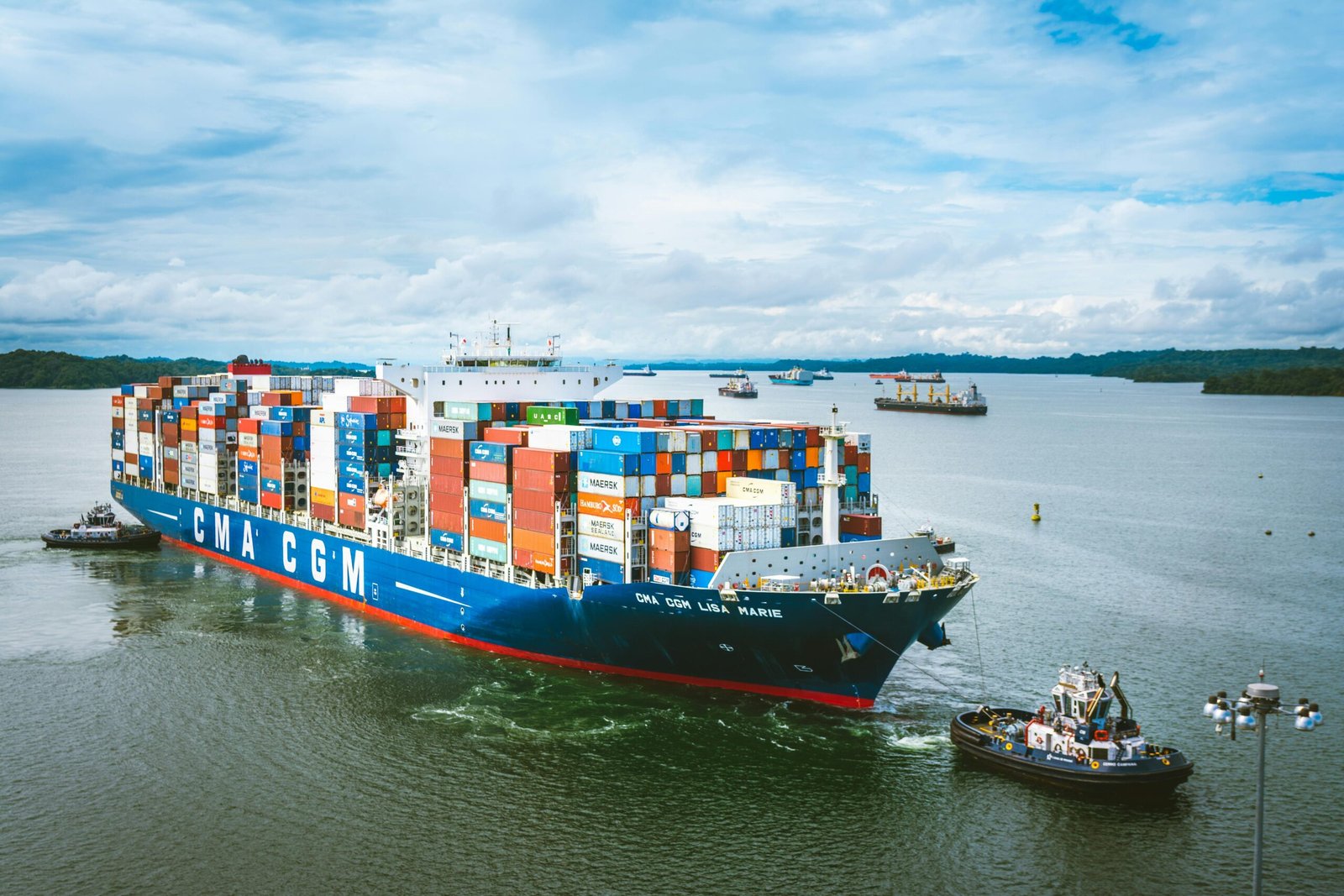
The Panama Canal is not just a historical structure; it is still extremely active today. Every year, thousands of ships pass through it carrying goods like oil, cars, electronics, food, and raw materials.
In simple terms, the canal is a busy global highway for trade. It helps connect businesses and countries across the world. Without it, shipping costs would be much higher, and global trade would be slower. This is why the canal is so important for the modern economy.
Fact #5 – The Panama Canal Is Over a Century Old
Another key fact about the Panama Canal is its age. The canal officially opened in 1914, which means it is now more than 100 years old. Even after a century, it is still fully functional and continues to serve global trade.
This long lifespan shows how strong and well-designed the canal is. Very few engineering projects in the world remain this important for such a long time. Its centennial celebration in 2014 marked 100 years of continuous operation.
Fact #6 – The Panama Canal Expansion Made It Even More Powerful
The Panama Canal was improved in a major way in 2016 through a large expansion project that changed how the canal works in modern times. This expansion added a new set of wider and deeper locks so that much larger ships, known as Neo-Panamax ships, could pass through easily. Before this upgrade, many modern cargo ships were simply too big to use the canal, which limited global trade efficiency. The expansion helped solve this problem and made the canal suitable for today’s massive shipping industry. When people look at 10 facts about the Panama Canal, this expansion is one of the most important modern changes because it shows how the canal continues to adapt with time.
This improvement also increased the canal’s value in global trade because it allowed more cargo to pass through in fewer trips. Countries that rely heavily on international shipping benefited a lot from this upgrade. The expansion also created more revenue for Panama, as larger ships pay higher tolls to cross the canal. It is a clear example of how engineering can evolve over time to meet new global demands, and it proves that the Panama Canal is not just a historical structure but a living system that continues to grow and improve with the world.
Fact #7 – Gatun Lake Is a Vital Part of the Canal System
One of the most interesting facts about the Panama Canal is the role of Gatun Lake, which is one of the largest artificial lakes in the world. This lake was created during the construction of the canal and is not natural. It plays a very important role because it supplies the water needed for the lock system to operate. Without Gatun Lake, the entire canal system would not function properly, since every ship passage requires millions of gallons of water to raise and lower vessels through the locks.
Gatun Lake also helps ships cross a large part of the canal without needing additional engineering structures. It acts like a long water highway in the middle of the canal route. The surrounding area is also rich in wildlife and tropical forests, making it an important ecological zone. This combination of engineering and nature shows how carefully the canal was designed. When studying 10 facts about the Panama Canal, Gatun Lake stands out as a key element that keeps the entire system running smoothly and efficiently.
Fact #8 – The Panama Canal Is an Engineering Wonder of the Modern World
The Panama Canal is often described as one of the greatest engineering achievements in human history because of the extreme challenges faced during its construction. Engineers had to deal with thick jungles, heavy rainfall, dangerous diseases, and difficult mountain terrain. Despite all these problems, they managed to design a system that allows massive ships to travel between oceans safely. This makes the canal a true example of human creativity and problem-solving ability.
Even today, engineers and experts study the canal to understand how such a complex system was built more than a hundred years ago. The lock system, water management, and structural design are still considered advanced for their time. This is why many people include it in 10 facts about the Panama Canal lists when learning about world wonders. It is not just a transportation route but also a symbol of human determination and innovation that continues to inspire engineers around the world.
Fact #9 – The Panama Canal Has a Huge Impact on the Global Economy
The Panama Canal plays a very important role in the global economy because it helps move goods between continents in a faster and cheaper way. Every year, thousands of ships carrying products like oil, grain, cars, and electronics pass through the canal. Without it, these ships would need to travel much longer distances, which would increase costs and slow down trade. This is why the canal is considered a lifeline for international shipping.
Countries like the United States, China, and Japan depend heavily on the canal for importing and exporting goods. It helps businesses save time and money, which eventually benefits consumers as well. The canal also brings significant income to Panama through toll fees, making it one of the country’s most important economic assets. In understanding 10 facts about the Panama Canal, its economic importance clearly shows how a single engineering project can influence global trade and connect the entire world.
Bonus Facts About the Panama Canal (Simple Insights)
There are also some smaller but interesting details that make the Panama Canal even more fascinating. One example is that ships do not move through the canal on their own; they are guided by special electric locomotives called “mules” that keep them stable while passing through the locks. Another important fact is that the canal uses freshwater instead of seawater, which comes mainly from Gatun Lake. This helps protect the mechanical system and maintain stable operations.
Another key point is that the canal is fully controlled by Panama today, after being handed over by the United States in 1999. This transfer marked a major moment in the country’s history and gave Panama full control over one of the most important trade routes in the world. These bonus insights add extra depth to 10 facts about the Panama Canal, showing that even small details of its operation are unique and important.
Frequently Asked Questions About 10 Facts About the Panama Canal
Many people have questions when learning about the Panama Canal, especially because it is such a complex and important structure. One common question is how long it takes for a ship to cross the canal. On average, it takes about 8 to 10 hours depending on traffic and ship size. Another frequent question is why the canal is so important today. The simple answer is that it saves time, reduces costs, and connects global trade routes efficiently.
People also ask whether tourists can visit the canal, and the answer is yes. There are visitor centers like Miraflores Locks where people can watch ships passing through the system. Another common question is about its size and depth, which is carefully maintained to allow safe passage for large ships. These FAQs help complete the understanding of 10 facts about the Panama Canal by answering real-world curiosity in a simple way.
Conclusion – Why These 10 Facts About the Panama Canal Matter
In conclusion, learning 10 facts about the Panama Canal gives us a clear understanding of why this structure is so important to the world. It is not just a waterway but a powerful link between oceans that supports global trade, saves time, and represents one of the greatest engineering achievements ever created. From its long construction history to its modern expansion, every fact shows how important the canal has been for over a century.
Today, the Panama Canal continues to play a major role in connecting countries and supporting the global economy. It stands as a reminder that human innovation can solve even the biggest challenges. These 10 facts about the Panama Canal help us appreciate its history, its engineering brilliance, and its ongoing importance in the modern world.