
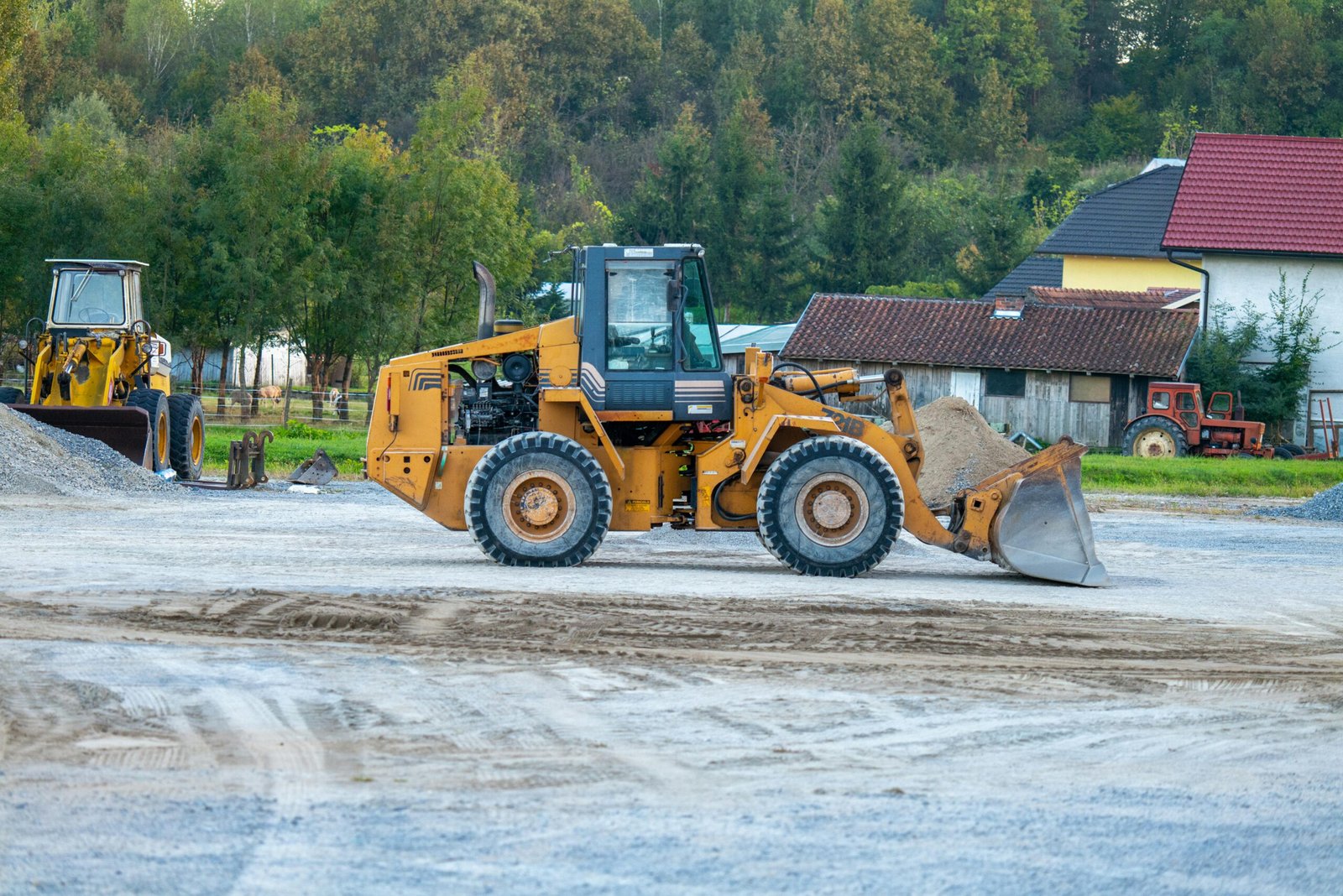
Agriculture is one of the oldest and most important industries in the world. It provides food, raw materials, and jobs for millions of people. Over time, agriculture has grown and changed, especially with the help of agriculture construction. This term refers to the building and design of structures that help farmers produce more efficiently and safely. From barns to irrigation systems, agriculture construction plays a big role in modern farming.
What is Agriculture Construction?
Agriculture construction is the process of designing, planning, and building structures for farming purposes. These structures can include storage buildings, greenhouses, irrigation channels, animal shelters, and farmhouses. Farmers and engineers work together to create buildings that protect crops and livestock, improve efficiency, and support sustainable farming practices.
Modern agriculture construction is not just about building walls and roofs. It also involves using technology, eco-friendly materials, and smart designs. For example, farmers may use solar panels on barns or install automated irrigation systems in fields. These advancements make agriculture construction an essential part of today’s farming.
Importance of Agriculture Construction
The importance of agriculture construction cannot be overstated. Good construction helps protect crops and animals from bad weather, pests, and diseases. For example, a well-built greenhouse can grow vegetables year-round, even in cold climates. Similarly, strong animal barns can prevent livestock from getting sick or injured.
Another reason agriculture construction is important is that it improves farm productivity. Proper storage facilities prevent crops from spoiling, while irrigation systems make sure water reaches plants efficiently. Overall, these structures help farmers save time, reduce costs, and increase their income.
Types of Agriculture Construction
There are many types of agriculture construction, each designed for a specific farming need. Some of the main types include:
- Farm Buildings: These include barns, silos, and storage sheds. They protect crops and animals while providing space for equipment.
- Greenhouses: Greenhouses are controlled environments where plants can grow faster and healthier. They are a popular example of modern agriculture construction.
- Irrigation Systems: Proper irrigation structures like canals, pipelines, and sprinklers are essential for crop growth. These systems make water distribution efficient and reliable.
- Animal Shelters: Structures like poultry houses, pigsties, and cattle barns protect livestock and improve farming operations.
- Farm Roads and Fencing: Roads and fences are also part of agriculture construction. They help transport goods and protect farms from trespassers or animals.
Each type of agriculture construction is important and contributes to the overall success of a farm. Modern construction techniques make these structures durable, efficient, and eco-friendly.
Materials Used in Agriculture Construction
Choosing the right materials is crucial in agriculture construction. Traditional materials like wood, bricks, and concrete are still popular. However, many farmers now use modern materials like steel, fiberglass, and plastic. These materials are strong, lightweight, and resistant to weather conditions.
For example, steel barns can last for decades without damage, and plastic irrigation pipes can resist corrosion. Using the right materials ensures that the construction is durable, low-maintenance, and cost-effective. Materials also play a role in sustainable agriculture by reducing waste and conserving resources.
Modern Trends in Agriculture Construction
Agriculture construction is evolving with technology. Modern farms are using new techniques and materials to increase efficiency. Some trends include:
- Smart Irrigation Systems: These systems use sensors and automation to water crops only when needed, saving water and energy.
- Sustainable Building Materials: Farms are increasingly using eco-friendly materials like recycled steel, bamboo, and solar panels.
- Vertical Farming Structures: Some farms are building multi-level greenhouses to grow more crops in limited space.
- Climate-Controlled Barns: These barns regulate temperature and humidity to keep animals healthy and comfortable.
These trends show that agriculture construction is not just about building structures—it is about building smarter and more sustainable farms for the future.
Benefits of Agriculture Construction
Investing in agriculture construction offers many benefits for farmers and communities. Some of the main benefits include:
- Increased Productivity: Well-designed buildings and systems help farmers grow more crops and raise healthier animals.
- Protection Against Natural Threats: Structures protect farms from storms, floods, and pests, reducing losses.
- Improved Efficiency: Modern construction reduces the time and effort needed to maintain farms.
- Economic Growth: Strong farms create jobs, provide food, and boost local economies.
- Environmental Sustainability: Using eco-friendly materials and systems helps reduce waste and conserve natural resources.
Overall, agriculture construction is a long-term investment that benefits both farmers and the community.
Challenges in Agriculture Construction
Despite its benefits, agriculture construction comes with challenges. Building durable and efficient farm structures requires money, expertise, and planning. Small-scale farmers may struggle to afford advanced materials or modern systems. Weather conditions, soil quality, and local regulations can also affect construction projects.
Additionally, integrating technology into farm buildings can be difficult for farmers who are not familiar with digital tools. However, these challenges can be overcome with proper planning, training, and support from government or private organizations.
The Future of Agriculture Construction
The future of agriculture construction looks promising. With population growth and climate change, the demand for efficient and sustainable farming structures will continue to rise. Innovations like smart farms, automated irrigation, and renewable energy sources will shape the next generation of agriculture construction.
Farmers, engineers, and architects will work together to design farms that are productive, safe, and eco-friendly. Agriculture construction will remain a vital part of feeding the world and supporting global economies.
Conclusion
Agriculture construction is more than just building farms—it is about creating safe, efficient, and sustainable spaces for growing food and raising animals. From barns and greenhouses to irrigation systems and smart farms, construction helps farmers meet modern challenges. By investing in agriculture construction, farmers can increase productivity, protect their resources, and contribute to a stronger and more sustainable future.
Whether you are a farmer, student, or someone interested in farming, understanding agriculture construction is key to seeing how our food system works. It is the foundation of modern agriculture and a pathway to a better future for farming.